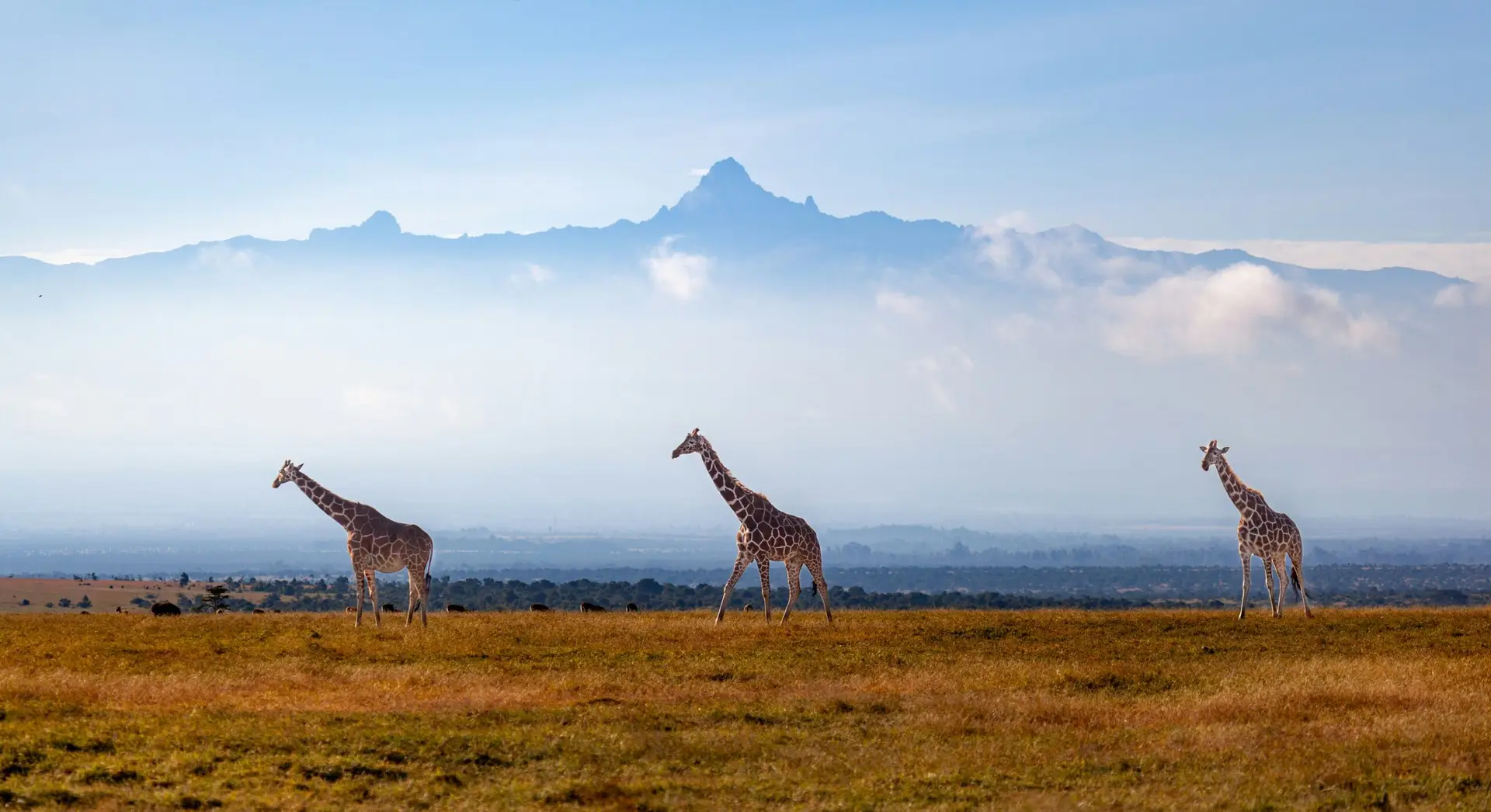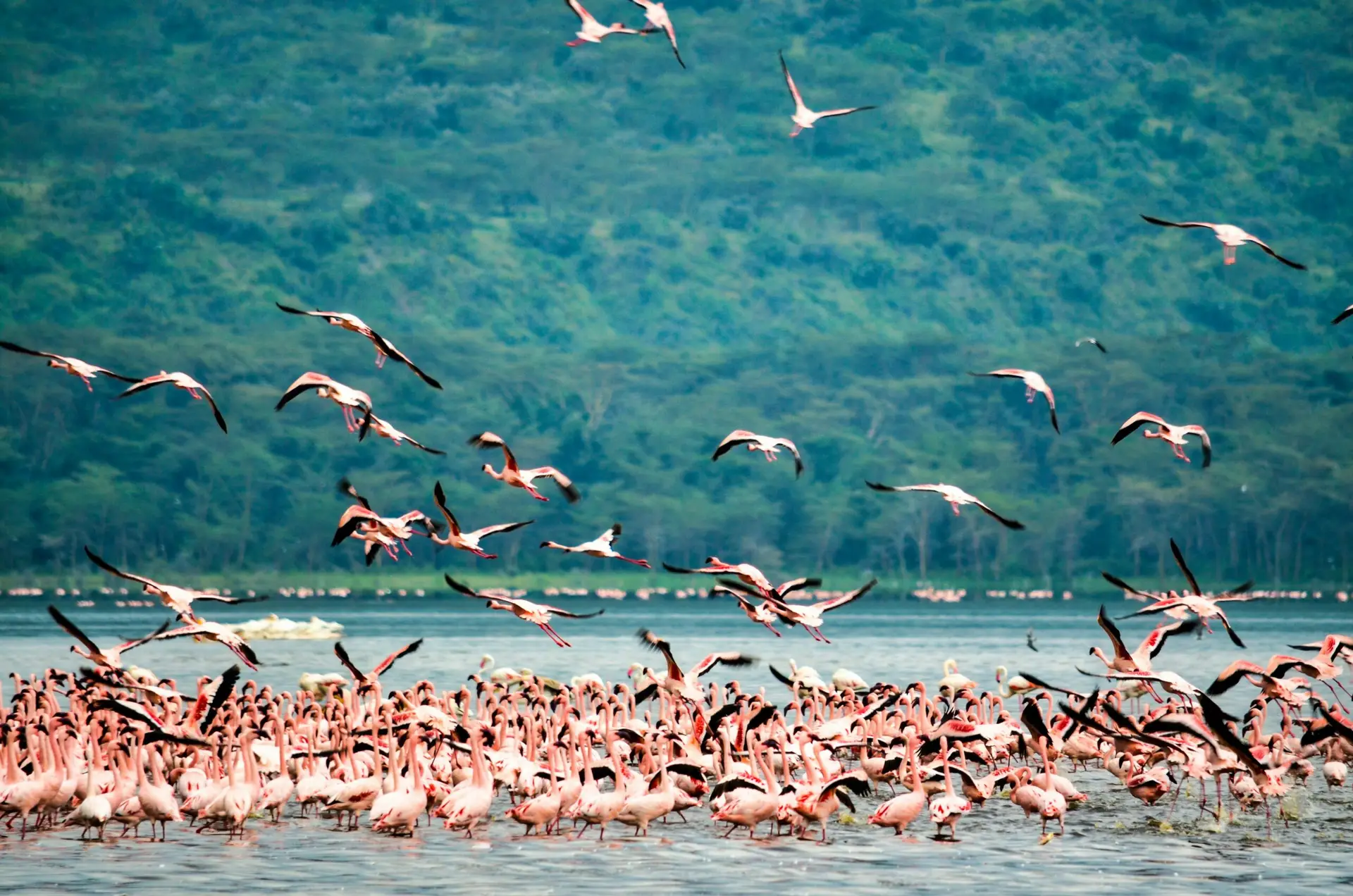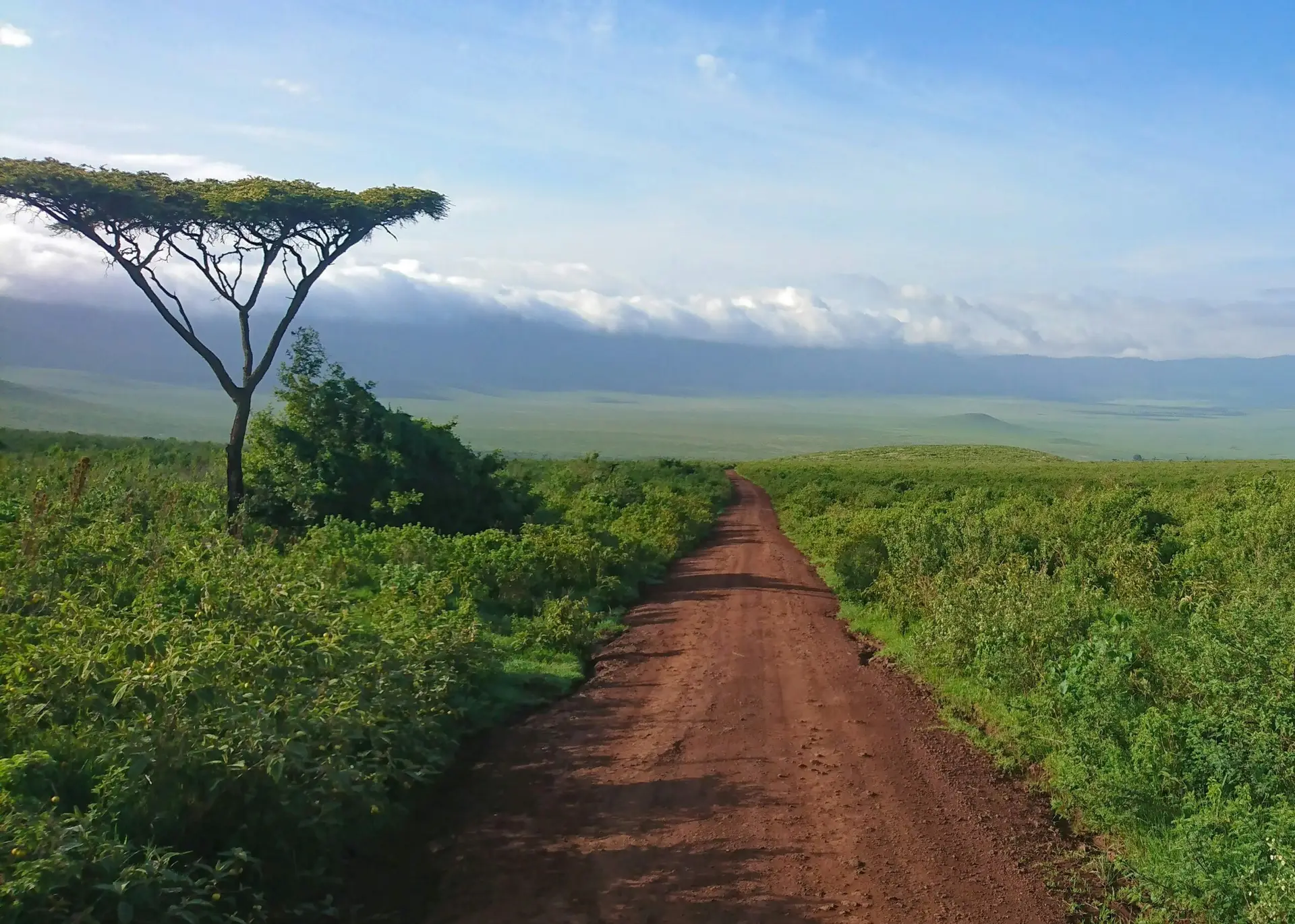
Baobab country, highlands, open plains and Indian Ocean shores. Choose the Tanzania that fits your time, curiosity and way of travelling.
A first safari might begin in the north. A return journey might follow the rivers of the south, or reach the forests and lakeshores of the west. The right choice depends as much on your pace and dates as on the names you recognise.
Tarangire, Ngorongoro and the Serengeti. A strong starting point for a first safari, with changing landscapes and a mix of road and air options.
Nyerere and Ruaha. Consider the south when you want longer stays in fewer camps and a different wildlife perspective, with flying often shaping the route.
Katavi and Mahale. Remote savannah, forest and Lake Tanganyika. Best considered with time for the connections and an appetite for travelling further.
The north works because its landscapes complement one another. Give each place enough time, rather than adding every park that appears along the road.
Baobabs, elephants and the Tarangire River. In the drier months, water draws wildlife into focus. Several nights give you time to explore beyond a single arrival drive.
The crater brings a striking change in scale. The cooler highlands change the journey again. Think about where you sleep as well as when you descend into the crater.
Grasslands, kopjes and woodland, with wildlife interest throughout the year. Camp location matters: the best base for your dates may change as rain and grazing move the herds.
Forest, birdlife and escarpment scenery offer another perspective. Include them when they add something you value and the route leaves enough time to enjoy them.
The south changes the rhythm. Distances and connections deserve careful planning, so we favour time in camp over a long list of parks. Flying can protect that time, with the actual route shaped around available services.
The Rufiji River, lakes and woodland give Nyerere a character of its own. Boat safaris can complement game drives; walking may also be possible with authorised guides. Activities depend on the camp, permissions and conditions.
Baobabs, the Great Ruaha River and broad wilderness bring a different sense of scale. Game drives and time watching wildlife are central. Guided walking can be considered where the chosen camp offers it.
The west is a considered journey in its own right. It usually asks for more time and a larger allowance for flights than a short northern safari. We work backwards from the connections, rather than squeezing it into spare days.
Floodplains, woodland and wildlife gathering around water in the dry season. Its remoteness is part of the appeal, especially for travellers returning to Tanzania.
Forest-covered mountains meet Lake Tanganyika. Guided chimpanzee trekking changes the encounter completely: it happens on foot, with terrain and walking time that vary. Age, fitness and park rules belong in the planning conversation.
There is no single best month for the whole country. Start with what you want to experience, then match the region and camp to your dates. These are broad patterns, not a forecast.
The southern Serengeti ecosystem often draws attention for the herds and calving, particularly in January and February. Camp positioning matters, and rain can vary as March progresses.
Long rains can affect roads and access. Some camps close seasonally. For flexible travellers, a northern journey may still work, but the route needs checks against actual camp openings and conditions.
Broadly drier conditions make this a useful starting window for many safari regions. Tarangire and Katavi reward attention to water sources; southern routes need their own camp and transfer plan. Popular dates merit an early conversation.
Short rains can change the light, vegetation and wildlife movements. Keep the Serengeti base flexible to the season, and check the suitability of remote routes rather than assuming every camp stays open.
Migration timing and herd locations vary with conditions. A river crossing cannot be promised. We plan around seasonal patterns and the wider wildlife experience, with enough time for uncertainty.
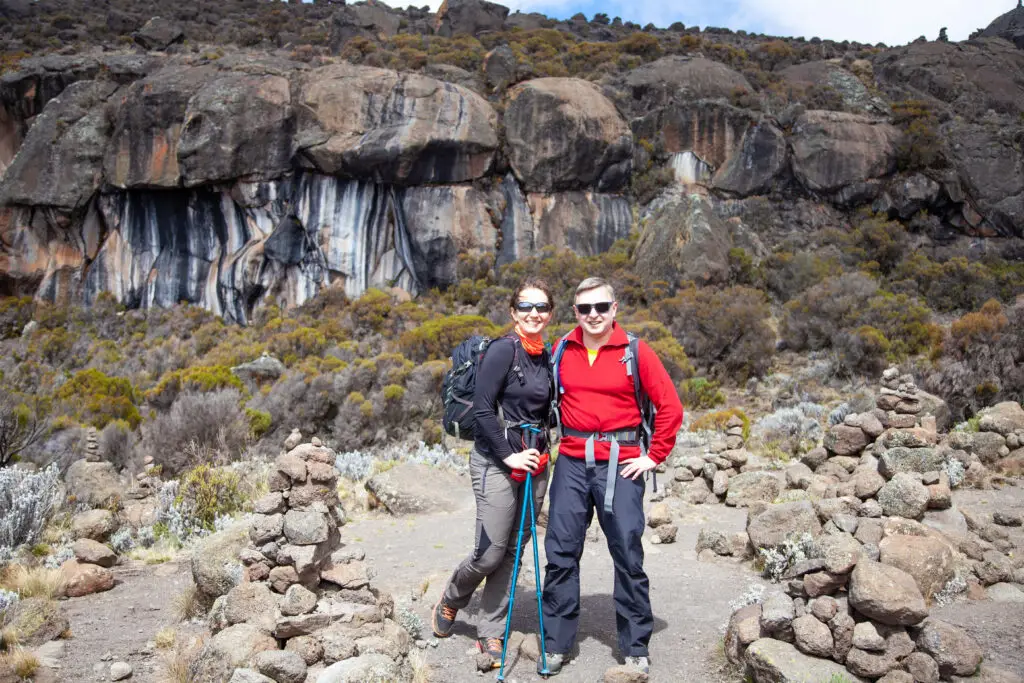
Africa’s highest mountain brings a different scale to a Tanzanian journey. Forest gives way to open slopes and high country; the wildlife safari can wait for another kind of adventure.
You do not have to plan a summit climb to spend time here. Guided day hikes and lower-forest walks can introduce the mountain at a gentler pace. We’ll discuss the route, conditions and time available before suggesting how it fits your safari.
A multi-day climb deserves its own place in the itinerary. Route choice, guiding, permits, equipment and time for acclimatisation all need a separate conversation. Tell us about your walking experience, ambitions and dates so we can work through the right arrangements.
Leave room around the mountain days for arrival and recovery, then continue into the parks or out to Zanzibar. The climb should shape the journey, rather than be squeezed into it.
A few days beside the Indian Ocean can change the ending of a safari. Zanzibar can mean a quiet beach, Stone Town, food and spice experiences, or time on the water. Choose the coast around how you want to spend those days.
Allow for the transfer as well as the beach nights. Sailing, diving and other marine activities depend on weather and local conditions; the right hotel and location matter as much as the photograph.
Eight to ten days is a useful starting point for an unhurried northern safari. With less time, choose fewer places. Add separate nights for the coast; remote western combinations deserve a longer conversation.
Road travel lets you experience the transitions between northern landscapes. Flying can reduce longer transfers. We compare the time gained with cost, luggage limits and the connections that actually fit your dates.
Start with their ages and interests. Shorter transfers, flexible drives and suitable room arrangements can matter more than another park. Walking, boats and chimpanzee trekking have activity-specific conditions to check.
These are planning starting points. Dates, camps, activities and the final route are confirmed around your own journey.
Tell us your month, how long you have and who is travelling. A particular landscape, an interest or a rough idea is enough to start shaping the route.